



SEO, AI & Digital Marketing for Smarter Business Growth
A practical guide to combining search visibility, AI-supported workflows and customer-focused digital marketing to build sustainable growth.

Businesses today need more than an online presence to compete effectively. They need to be discoverable, communicate value clearly, understand customer behaviour and convert digital interactions into meaningful business opportunities.
SEO, artificial intelligence and digital marketing can work together to make this possible. With a clear strategy, these capabilities help businesses reach relevant audiences, improve marketing efficiency and make better decisions using performance data.
1. What Is the Role of SEO, AI and Digital Marketing?
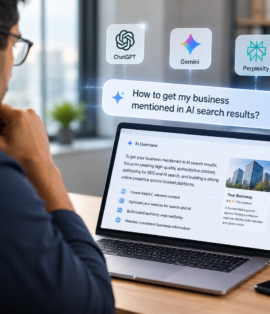
Search engine optimization (SEO) helps potential customers discover a business through relevant search results. AI can support research, analysis, content workflows and customer insights, while digital marketing connects these activities through websites, email and paid campaigns.
Together, these capabilities create a connected growth strategy. Businesses can understand audience needs, develop useful content, improve online visibility and measure how marketing contributes to enquiries, conversions and revenue.
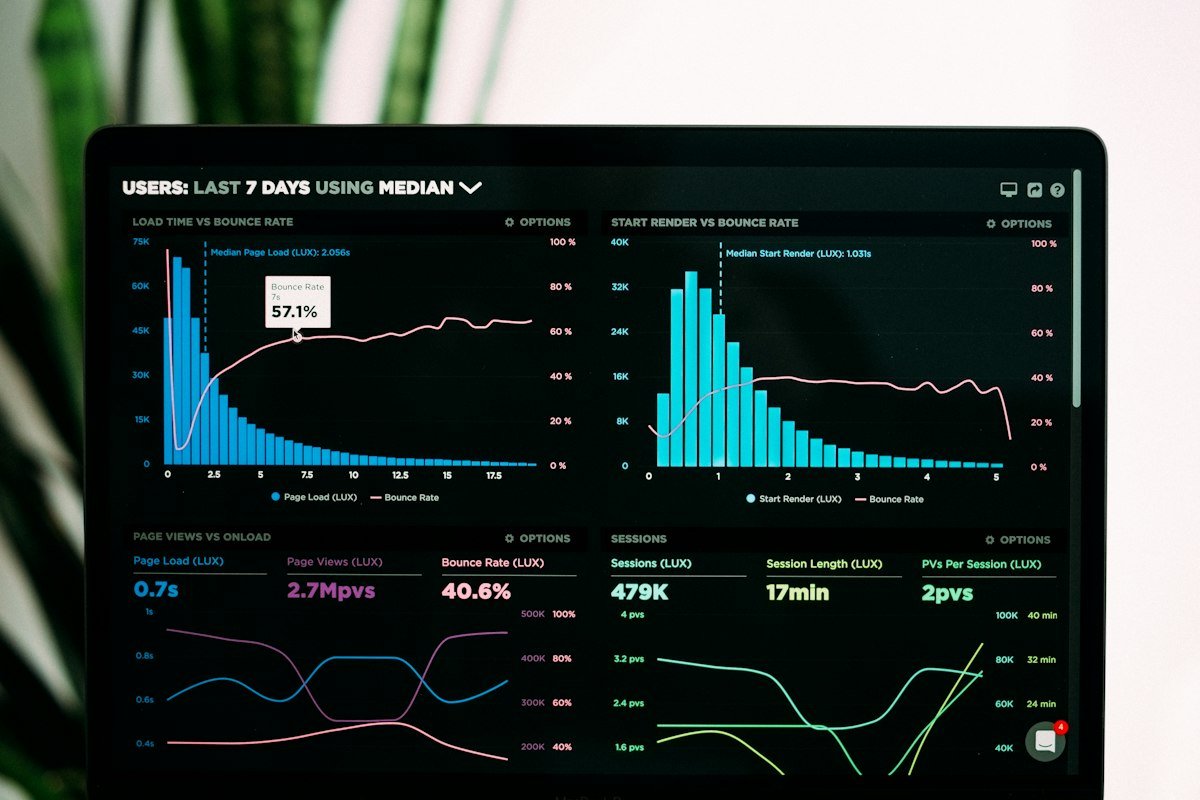
SEO: be discoverable
Improve technical accessibility, relevant content and search intent alignment so potential customers can find the right pages.
AI: work more intelligently
Support research, summarisation, analysis and repetitive workflows while keeping people responsible for judgement and accuracy.
Digital marketing: reach the audience
Use suitable channels to distribute useful messages and guide people towards relevant products, services or enquiries.
Measurement: learn and improve
Connect activity to outcomes such as qualified leads, conversion rates, customer acquisition cost and revenue contribution.
2. Why Should Businesses Combine SEO and AI?
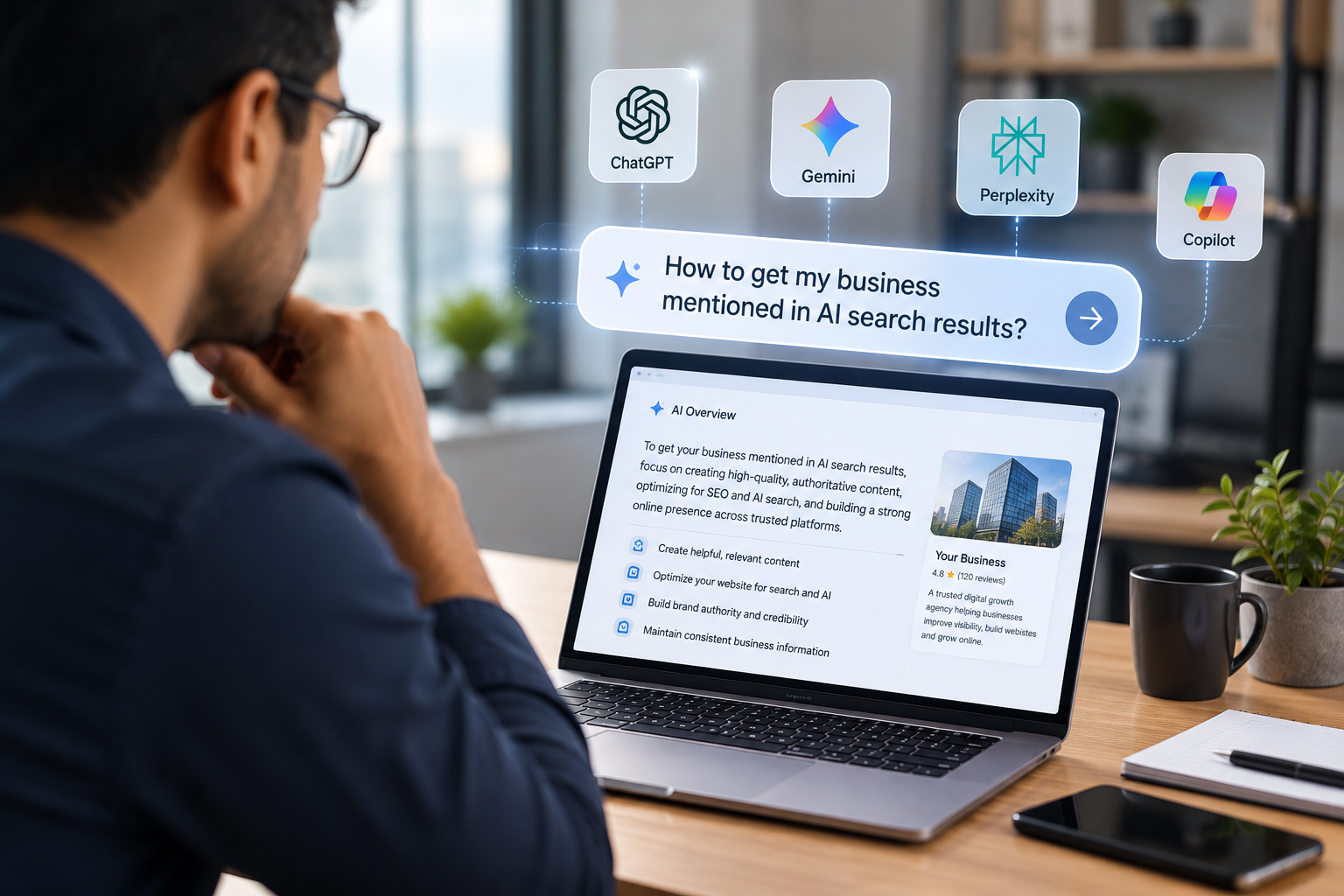
SEO and AI can complement one another by helping teams identify opportunities and manage work more efficiently. AI-assisted analysis may reveal recurring customer questions, content gaps and patterns in performance data. SEO then turns relevant insights into technically sound pages and useful content that can serve searchers over time.
However, tools alone do not create sustainable growth. Businesses still need original expertise, accurate information, a fast and accessible website, and content that genuinely helps their audience. Human review is essential for fact-checking, brand voice, privacy and quality.
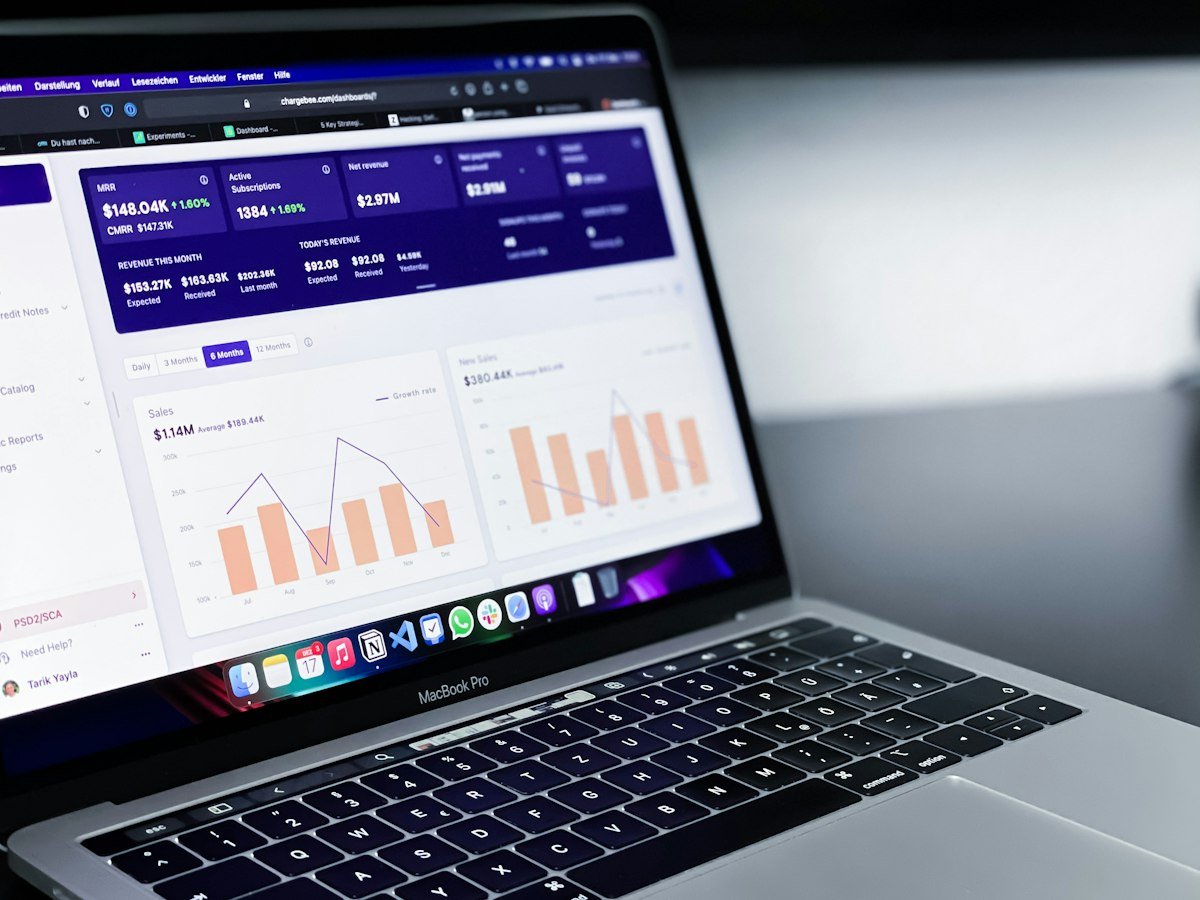
3. How to Build a Smarter Digital Growth Strategy
Begin with a specific business objective: more qualified enquiries, stronger online sales, improved lead quality or lower acquisition costs. Audit the website and current performance before choosing tactics. This establishes a baseline and helps the team focus resources on the biggest barriers to growth.
Step 1: Understand customers and search intent
Research the questions customers ask, the language they use and the information they need before making a decision. Map relevant keywords and topics to pages that satisfy those needs rather than creating content solely to target search terms.
Step 2: Improve the website experience
Make important pages easy to find, fast to load and simple to use on mobile devices. Explain services clearly, demonstrate credibility and provide an obvious next step. Technical SEO and conversion-focused design should work together.
Step 3: Apply AI with human oversight
Use AI to assist with research, grouping customer questions, outlining content and analysing performance. Check facts, add genuine expertise, avoid unsupported claims and review every customer-facing asset before publishing.
Step 4: Measure meaningful outcomes
Track qualified enquiries, conversion rate, organic search performance, lead quality and revenue contribution where available. Review results regularly and adjust the strategy based on evidence, not vanity metrics alone.
4. How Do SEO, AI and Digital Marketing Work Together?
Each capability serves a different role. The strongest plan connects them around the customer journey instead of treating them as isolated activities.
| Capability | Main purpose | Example activity | What to measure |
|---|---|---|---|
| SEO | Earn relevant search visibility | Improve service pages and technical health | Relevant impressions, clicks, qualified organic leads |
| AI support | Assist research and workflows | Cluster questions and analyse content gaps | Time saved, quality and usefulness of output |
| Digital marketing | Reach and engage suitable audiences | Distribute content and run targeted campaigns | Conversions, lead quality and acquisition cost |
| Website optimisation | Turn visits into action | Clarify value propositions and simplify forms | Conversion rate and completed enquiries |
5. Practical Case Study: A More Connected Growth Approach
Illustrative scenario—not a verified client result. Imagine a B2B company that attracts website visitors but receives few qualified enquiries. Before increasing its advertising budget, the company reviews its search visibility, landing pages, audience intent and conversion journey.
01 · Fix discoverability
Resolve technical issues and improve key service pages around relevant search intent.
02 · Find useful insights
Use AI-assisted research to organise recurring questions and prioritise content gaps for human review.
03 · Improve conversion
Clarify service benefits, strengthen calls to action and remove unnecessary friction from enquiry forms.
04 · Evaluate performance
Compare qualified leads, conversion rates and lead sources against the original baseline.
The company can then refine its approach using observed results. Actual improvements depend on implementation, competition, audience demand, sales follow-up and the quality of the offer. A credible growth programme measures these factors rather than promising a guaranteed outcome.
Conclusion: Build a Strategy, Not Just a Stack of Tools
Smarter business growth comes from connecting visibility, technology and customer-focused marketing into one measurable strategy. SEO helps people discover your business, AI can support research and workflows, and digital marketing helps turn attention into action.
The opportunity is not to adopt every new tool. It is to choose the right approach, deliver genuine value and improve continuously using reliable data. Start with your customers and business objectives, then invest in the activities that address the clearest opportunities.
Your Next Digital Growth Opportunity May Already Be in Your Website.
Find out where your website can improve visibility, user experience and enquiry generation. Let’s identify the most practical next steps for your business.
Frequently Asked Questions
1. How do SEO and AI help businesses grow?
SEO helps relevant audiences find business information through search. AI can assist with research, analysis and workflows. Used with a clear strategy and human review, they can support better planning and a focus on qualified traffic and meaningful conversions.
2. Can AI replace SEO professionals?
AI can assist with research, content analysis and repetitive tasks, but it does not replace strategic judgement, technical expertise or human understanding. Professionals remain responsible for search intent, fact-checking, content quality and business alignment.
3. Is digital marketing suitable for small businesses?
Yes. Small businesses can combine useful content, search visibility, an effective website and carefully targeted campaigns. The right starting point depends on the audience, budget and business goals. Regular measurement helps identify what deserves further investment.
4. How long does SEO take to produce results?
Timelines vary with competition, website condition, content quality and resources. Some improvements may appear relatively quickly, while meaningful organic growth often takes several months. Monitor indexing, relevant rankings, qualified traffic and conversions rather than relying on guaranteed deadlines.
5. How should a business measure digital marketing success?
Set metrics that match the objective, such as qualified leads, conversion rate, acquisition cost, organic traffic and revenue contribution. Visits and engagement provide context, but they should not replace measures of business impact.
6. What should a business do first?
Start by reviewing your website, search visibility, customer journey and existing performance. Identify the main growth bottleneck, set measurable objectives and prioritise the improvements most likely to address it.
About the Author
DigiRankUp Editorial Team
The DigiRankUp Editorial Team covers SEO, AI-powered search, website strategy and digital growth to help businesses make informed decisions about their online presence.
Disclaimer: This article is for general informational purposes and does not guarantee specific rankings, leads or revenue. Marketing results vary by business and market conditions.
Further Reading
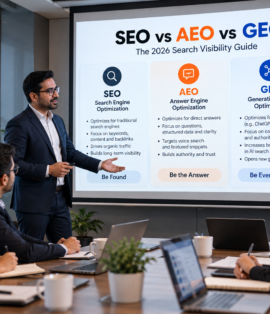
Explore DigiRankUp digital growth solutions and the SEO vs AEO vs GEO search visibility guide. For foundational guidance, read Google’s SEO Starter Guide.
Leave A Reply Now